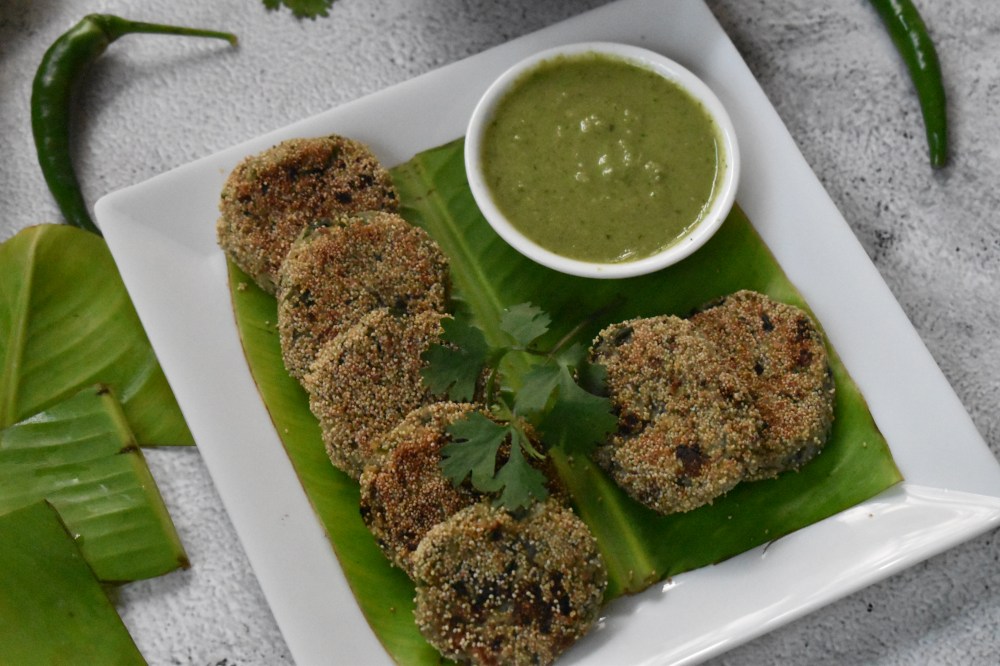
The auspicious occasion of Maha Shivaratri has arrived once again and we are geared up to immerse ourselves in the deep devotion of Lord Shiva & follow all the customary rituals associated with the festival. Among all the rituals, fasting is obviously an important aspect of all the hindu festivals, where after a day long fast and the ritualistic offerings of water and milk to lord Shiva /Shiva Linga, we devotees conclude our fasting & have some light saatwik foods for a fulfilling feel. The devotees after the culmination of their fast usually eat one meal in the evening, the menu of which typically includes all saatwik dishes. Therefore, that particular meal definitely deserves to be nutritious & with a little bit of gastronomic indulgence thrown in for those who cannot compromise on their taste of food at any cost.
Just like many other Indian hindu religious festival, Shivaratri also has its own category of food ingredients and food items that are suitable to the occasion based on the season and their availability e.g. whole fruits including the Lord’s favourite bael fruit, milk and milk based sweets, potatoes, sweet potatoes and many more. Any cooked food that we have during the festival has to be cooked with saatwik ingredients i.e. without onion or garlic and with fewer number of some specific ingredients. Saatwik food which are considered holy and appropriate for the hindu festivals are prepared with the saatwik ingredients & are usually perceived as dull and restrained. So, they are made more palatable by preparing them in interesting ways. Indian households have their own array of fasting special dishes to make their fasting experience a culinary delight rather than a mundane custom and thus new ingredients and varied recipes are incorporated in the menu.
This time I have come across an interesting ingredient called shakalu here, which is also known as shankhalu or mishrikand elsewhere in India and Jicama or sweet turnip around the globe, which is a kind of yam available across eastern India during the spring season & is a must have during saraswati puja or wasant panchami in bengal. Usually its availability is very short term here and disappears quickly from the market. However I luckily found these in the market & grabbed it immediately, as it can add an extra flavour to my otherwise dull post fasting menu during this Shivaratri festival. Shakalu is a yam which is eaten raw like a fruit or simply cooked to make anything. It tastes mildly sweetish, juicy and crunchy on a bite with an earthy, slightly nutty flavour. Originally from Mexico, it was brought to eastern india by the british by colonial exchange from Philippines centuries ago and since then they were being cultivated in the eastern parts of India especially in the states of Bihar, Bengal and Odisha. It usually becomes available in the entire eastern India including Assam and the northeast india, where I reside.
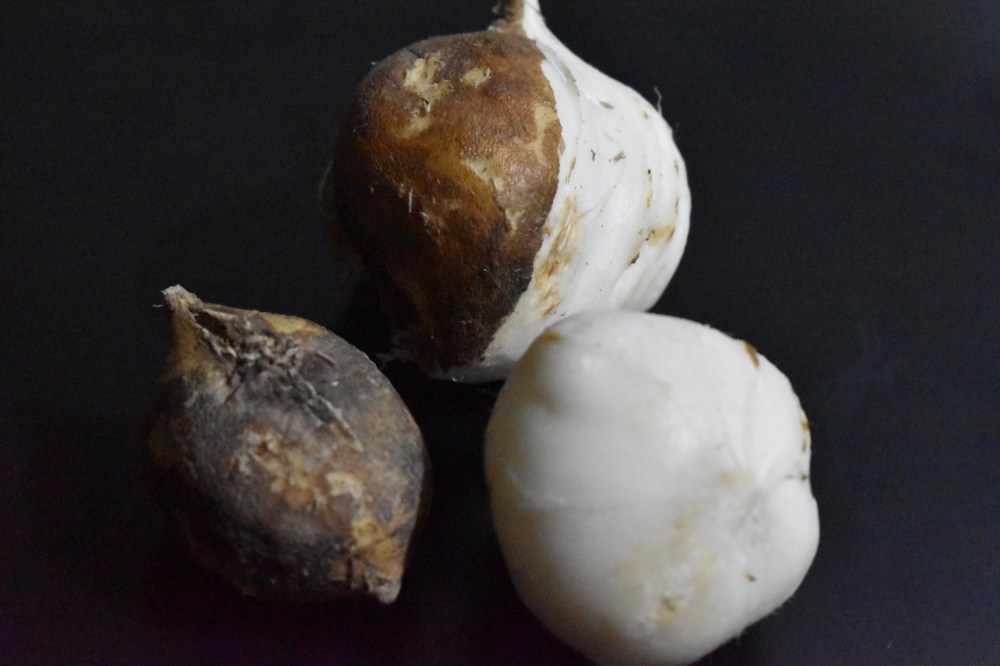
Jicama/Shakalu/Shankhalu/Mishrikand is packed with nutrients and may provide various health benefits, including improved digestion, weight loss, and a reduced risk of disease. It also contain vitamins, minerals, and beneficial fibers. It may also known to benefit heart health and the gut microbiome as part of a nutritious diet & thus also known to improve digestion. The tuberous root although tastes slightly sweet, but is low in sugar, making it a good carbohydrate choice for people with diabetes and others attempting a low-sugar diet.
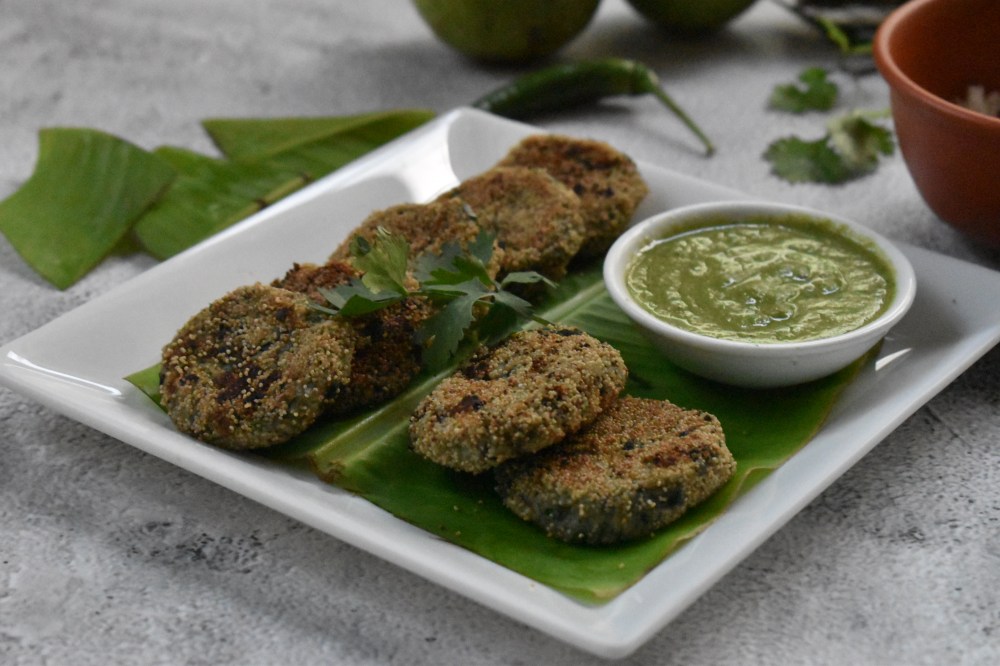
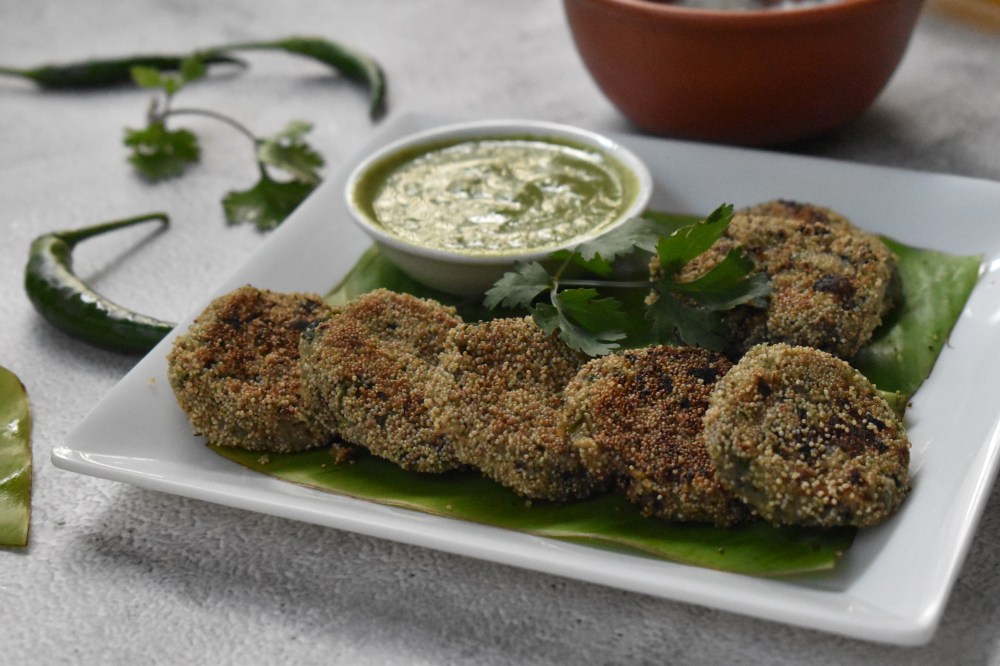
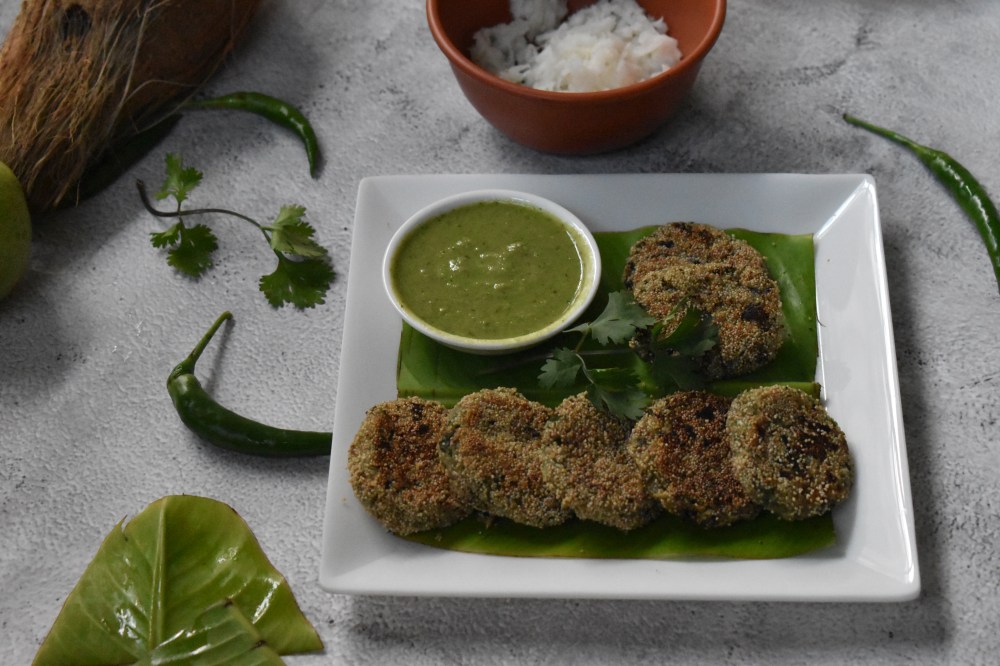
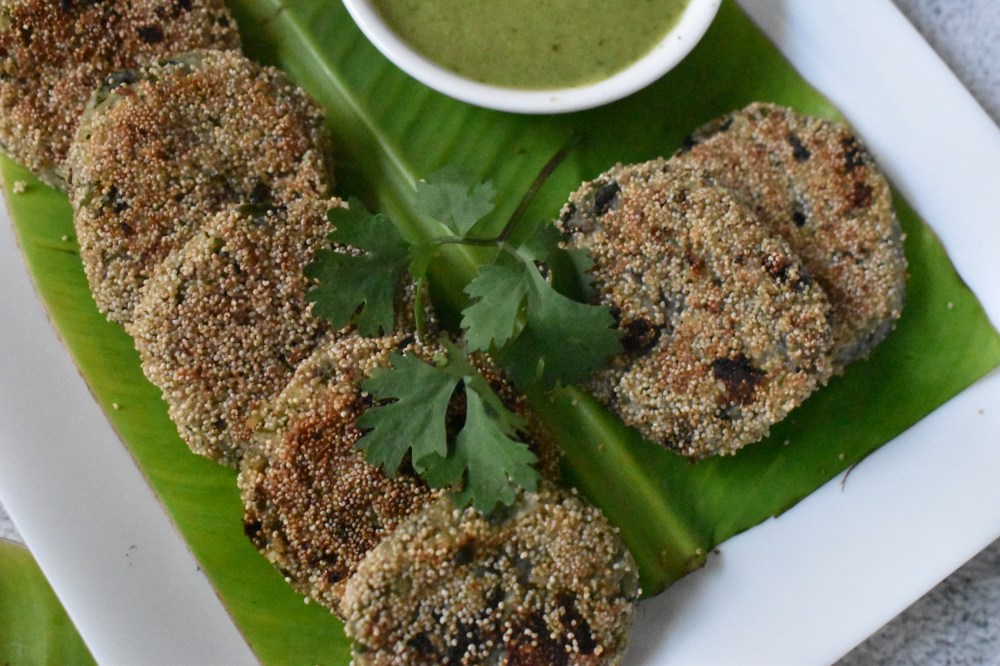
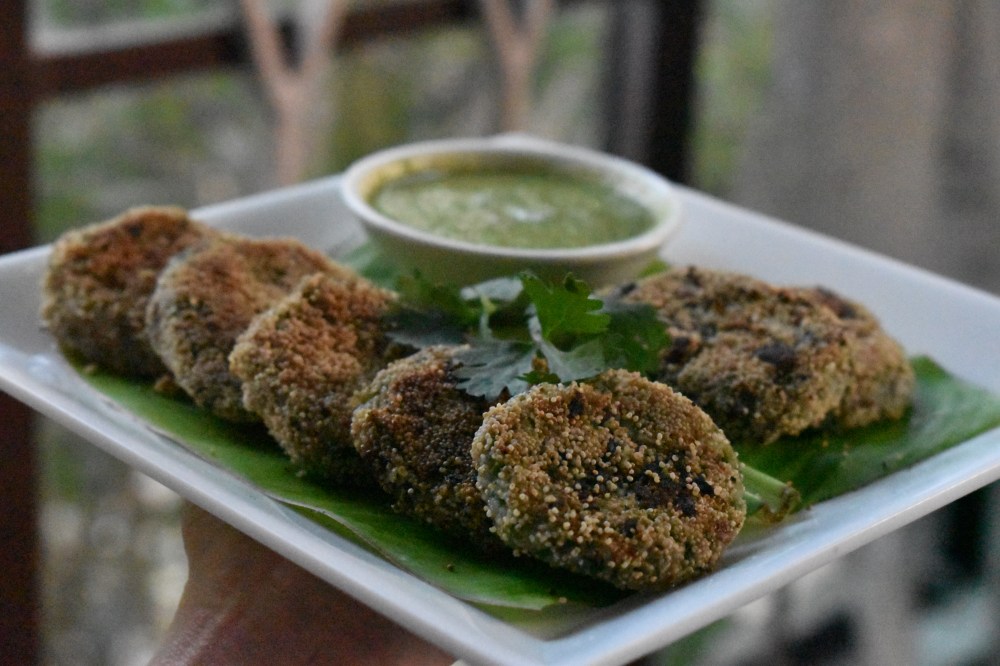
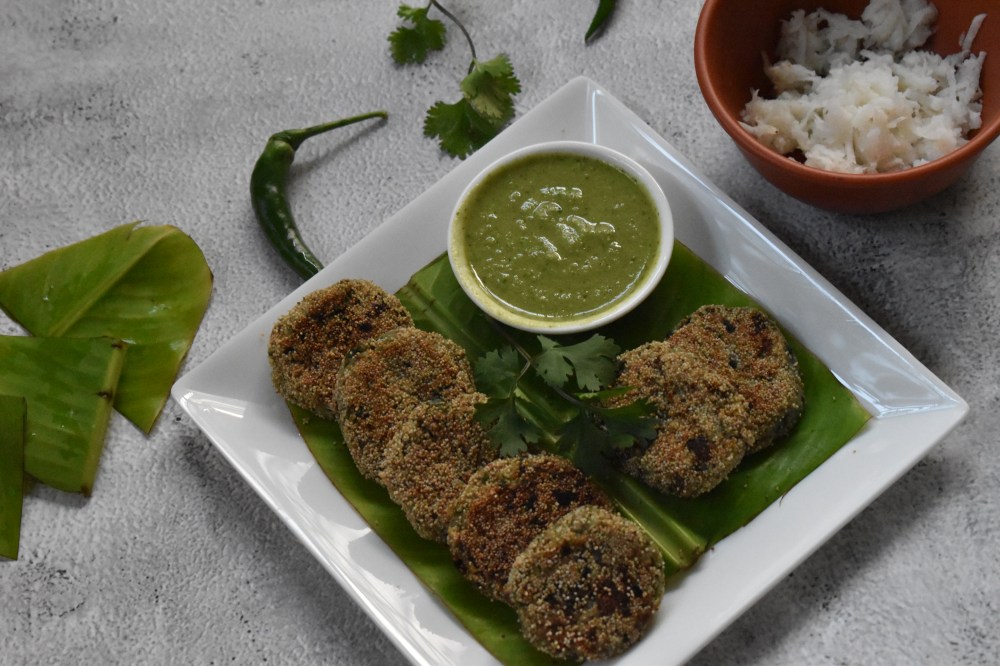
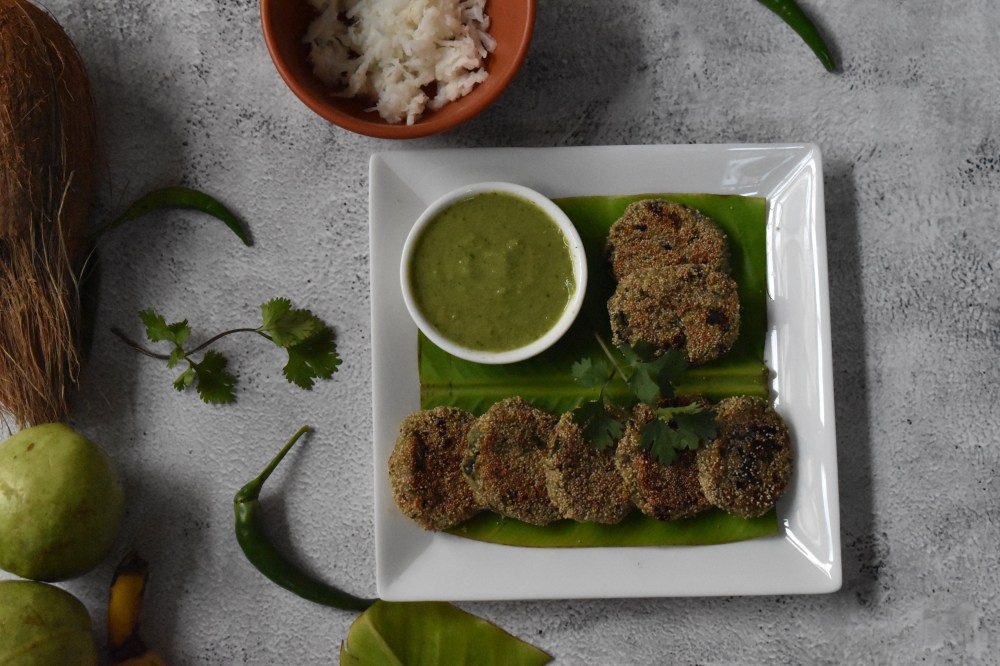
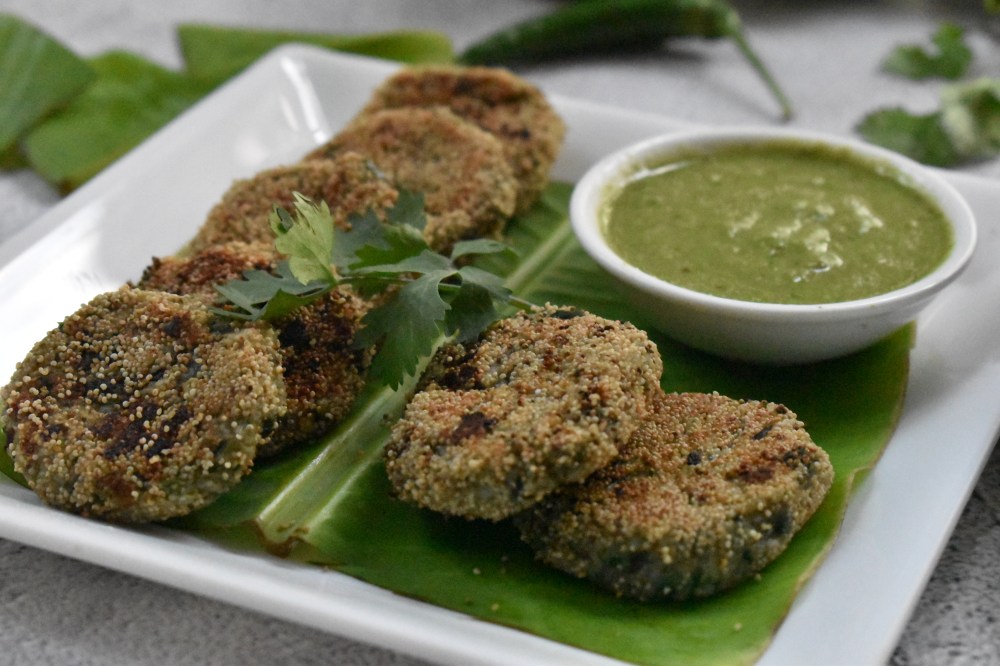
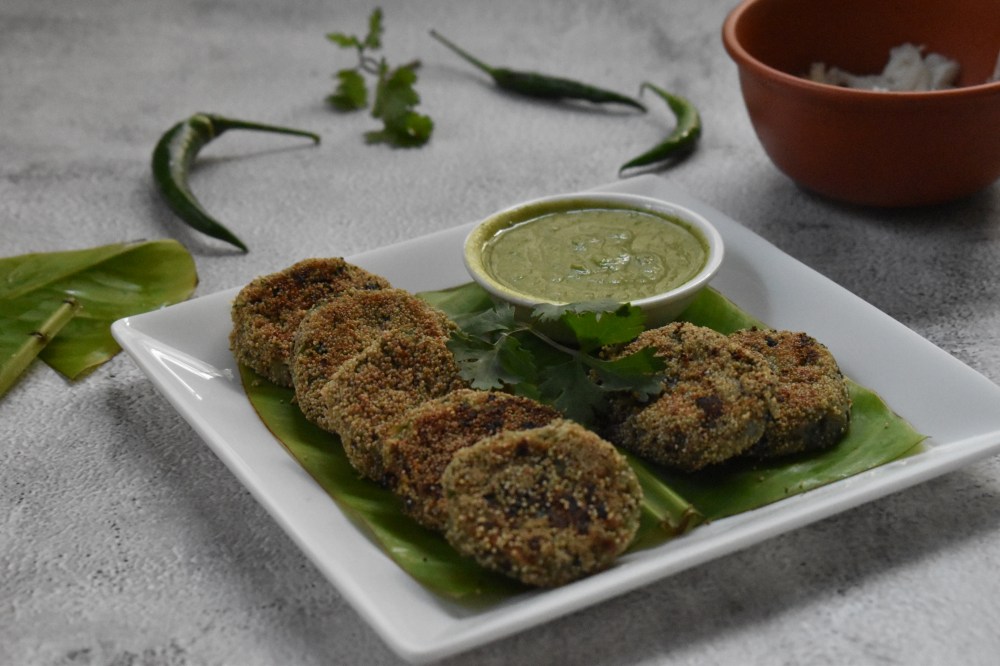
Since I am on a lookout for some good recipe to make the festival more exciting, I thought of using this ingredient this time in our food. We usually snack on potato, sabudana or sweet potato post fasting , so I got an idea to make saatwik tikki(s) out of this for a change and believe me it just tastes divine with my green chilli peas-coriander-mint chutney. These tikkies are slightly sweetish with a soft, crunchy texture similar to the beetroot. Now you may look into the recipe below & try out once. Happy Fasting 😊😊 !!
RECIPE :
Ingredients :-
- Shaak Aalu (grated) – 200 gm (approx.)
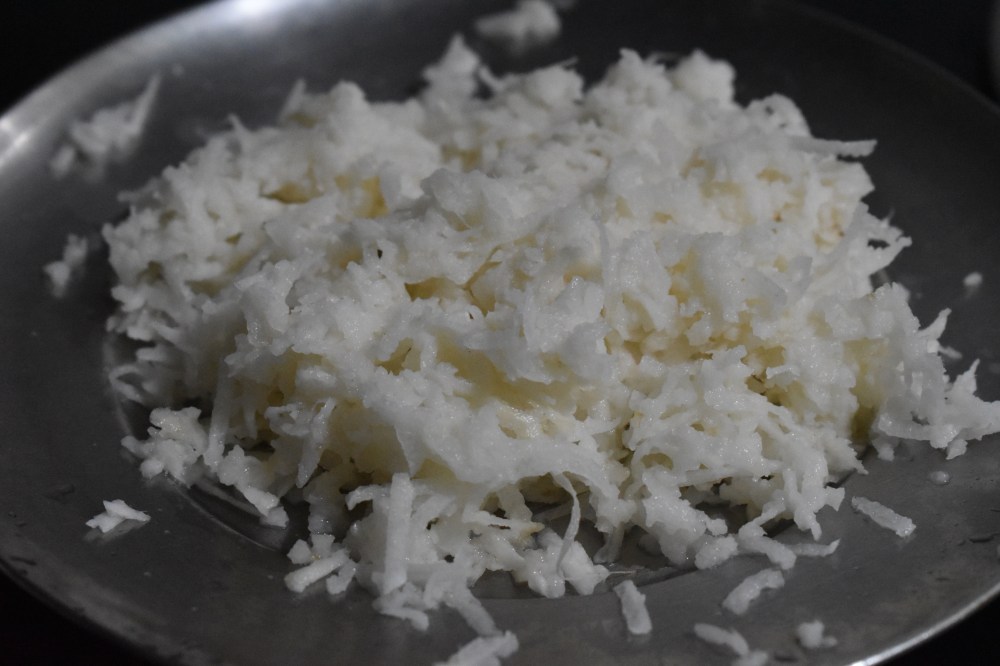
2. Coconut (freshly grated) -1 tbs
3. Sabudana powder/Tapioca flour – 2 tbs.
4. Mint & Coriander leaves (finely chopped) – 1 tbs
5. Green chillies (finely chopped) – 1 or 2.
6. Ginger (finely chopped) – 1/2 tsp.
7. Roasted cumin seeďs powder – 1 tsp.
8. Black salt – 1/4 tsp.
9. Rock salt/ Sendha namak – As per taste.
10. Ghee – 1 to 1 & 1/2 tsp.
11. Poppy seeds – 1 tbs.
Preparation:
1. Take the grated shaak alu, squeeze out the water in it gently using your hand to make it as dry as possible.
2. In a mixing bowl, take the squeezed shaak alu and add all other ingredients in it.
3. Mix everything together to make a nice mixture.
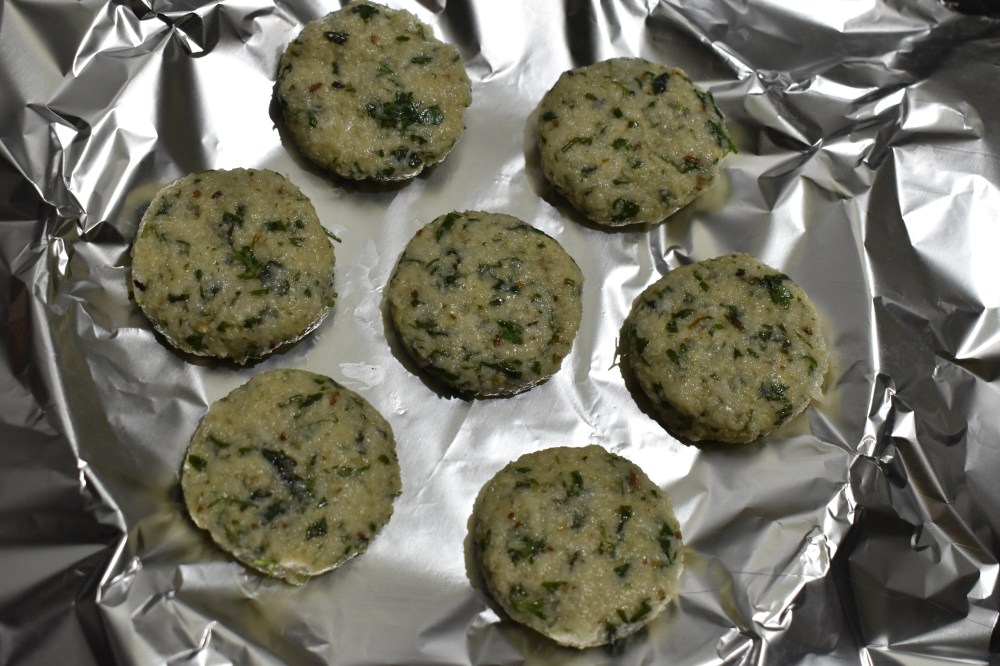
4. Take small amount of the mixture and make a small ball and press it slightly to make a roundel.
5. Make more roundels from the remaining mixture.
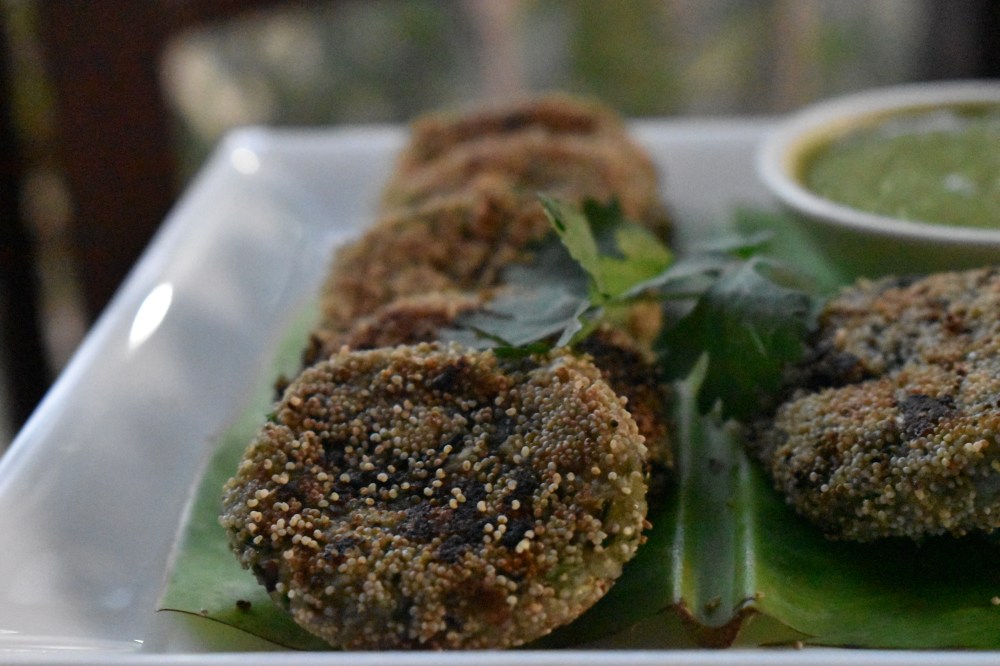
6. Keep them over a greased tray or butter paper. Rub poppy seeds over its surface on both sides.
7. Take tawa or fry pan, grease it slightly using a brush and heat over a medium flame.
8. Put the tikki(s) or tikiya(s) on the pan and roast on both the sides till it turns slightly golden brown.
9. Your hot tikki(s) or tikiya(s) are now ready to be served.
10. Pair it with a green coriander mint chutney for an extra yumminess in your otherwise mundane vrat days.
Courtesy :
- https://www.healthline.com/nutrition/jicama-nutrition-benefits
- https://www.medicalnewstoday.com/articles/324241
Discover more from FOODIESTREASURE
Subscribe to get the latest posts sent to your email.

 FOODIESTREASURE